

Exploring the Various Types of Wiring Materials Used in Electrical Installations

When it comes to electrical installations, choosing the right wiring material is crucial. Different types of wiring materials have unique properties that determine their suitability for specific applications. The type of wiring material chosen affects factors such as durability, heat resistance and cost.

In this article, we'll explore the different types of wiring materials used in electrical installations, specifically copper, aluminum, silver, gold, steel, tin, plastic and wireless materials.

Copper Wiring Materials

Copper is one of the most widely used metals in electrical installations and for good reason. It is an excellent conductor of electricity and heat and has excellent durability and corrosion resistance, making it the go-to material for electrical wiring. Copper wiring materials come in many forms, including solid and stranded wires, bare and insulated wires and tinned and untinned wires.

Solid Copper Wires

Solid copper wires are single-strand wires that typically have a diameter ranging from 0. 5mm to 3mm. They are commonly used in electrical installations as ground wires or to connect outlets and switches. Solid copper wires are easy to bend and shape, making them ideal for tight spaces. However, they're not as flexible as stranded wires, and they tend to break easily under stress.

Stranded Copper Wires

Stranded copper wires consist of multiple thin strands of copper wire woven together to create a single wire. They come in different gauges, with the number of strands increasing with the wire's thickness. Stranded copper wires are more flexible than solid copper wires and are ideal for applications that require frequent bending and twisting.

Aluminum Wiring Materials

Aluminum is another commonly used material in electrical installations. It is a cheaper and lighter alternative to copper, but it's not as good a conductor of electricity. Aluminum wiring materials are typically used in applications that don't require high-temperature resistance.

Solid Aluminum Wires

Solid aluminum wires are similar to solid copper wires, but they're less common due to their lower conductivity. They're typically used in non-critical applications such as lighting fixtures and appliances.

Stranded Aluminum Wires

Stranded aluminum wires are more flexible than solid aluminum wires and are used in applications that require frequent bending and twisting, such as overhead transmission lines.

Silver Wiring Materials

Silver is an excellent conductor of electricity, but it is not commonly used in electrical installations due to its high cost. It is typically used in high-end applications such as circuit breakers and other electrical components.

Gold Wiring Materials

Gold is an excellent conductor of electricity, but like silver, it is not commonly used in electrical installations due to its high cost. It is typically used in applications that require superior conductivity, such as high-end audio equipment.

Steel Wiring Materials

Steel wires are commonly used in electrical installations that require mechanical durability and tensile strength. Steel wires are typically used for overhead transmission lines and in underground cable installations where stronger wires are required.

Tin Wiring Materials

Tin is a malleable and ductile material with low electrical conductivity. Tin wires are typically used as conductors in applications where low conductivity is required. Tin-coated copper wires are commonly used in electronic devices and appliances.

Plastic Wiring Materials

Plastic wires are often used in electrical installations due to their insulating properties. Polyvinyl chloride (pvc) is the most commonly used insulating material in electrical wire and cable manufacturing. Plastic wires come in different colours to help with identification.

Wireless Materials

Wireless materials, such as bluetooth and wifi, are becoming more popular in electrical installations in recent years. They are typically used for digital communication between devices and can be used to communicate over long distances.

When it comes to choosing the right wiring material for an electrical installation, the choices can be overwhelming. Each type of wiring material has unique properties that make it more suitable for certain applications than others. Copper wiring materials are the most commonly used due to their excellent conductivity, durability, and corrosion resistance. Aluminum is a cheaper alternative to copper but is not as good a conductor of electricity. Other wiring materials such as silver, gold, steel, tin, and plastic each have their unique properties that make them more suitable for specific applications. Lastly, wireless materials such as bluetooth and wifi are becoming more popular in electrical installations.


The Fundamental Safety Guidelines for Electrical Installations: Protecting Yourself and Your Property

Electrical installations are essential systems that keep our homes and businesses running smoothly. Whether it's powering up a home computer or running a large industrial machine, electricity is at the heart of everything we do. However, electrical installations also pose a significant risk if not installed and maintained according to strict safety guidelines.

This blog post will cover the basic safety guidelines for electrical installations, and provide specific guidelines relating to electrical installations. We'll discuss the importance of electrical equipment standards, proper wiring techniques, grounding requirements, testing and maintenance procedures, and other essential safety measures that should be followed when working with electricity.

Understanding Electrical Installations

Before we dive into the safety guidelines that need to be followed when working with electrical installations, it's essential to understand what electrical installations are and how they work.

What Is An Electrical Installation?

An electrical installation is a system of interconnected electrical equipment designed to distribute power to a building or facility. They can range from a simple lighting fixture or power outlet to a complex electrical system that powers an entire plant.

How Do Electrical Installations Work?

Electrical installations work by converting the electrical energy from the power grid into a useable form of power for the equipment it's supplying power to. The system consists of several components, including the power source, cables and wiring, switchgear, transformers, and protective devices.

Basic Safety Guidelines

When it comes to working with electricity, there are essential safety guidelines that must be followed to protect yourself and others from harm. These guidelines include:

1. Always turn off the power

Before working on an electrical installation, always make sure to turn off the power. This can be done by switching off the circuit breaker or disconnecting the power supply. If you're unsure how to turn off the power, it's critical to consult an electrician or a qualified professional before attempting any electrical work.

2. Use proper protective equipment

When working with electrical installations, it's essential to use proper personal protective equipment (ppe), including gloves, safety glasses, and insulated tools. This is to protect you from electrical hazards and to prevent electrical shock or burn injuries.

3. Avoid water and damp environments

Water and damp environments can be hazardous when working with electricity. Always make sure to keep electrical equipment and installations dry and avoid working in damp environments.

4. Keep electrical equipment away from flammable materials

Electrical equipment generates heat, which can pose a fire hazard. Always make sure to keep electrical equipment away from flammable materials such as chemicals, paper, or fabrics.

Specific Guidelines For Electrical Installations

The following are specific guidelines that must be followed when working with electrical installations:

Electrical Equipment Standards

When selecting electrical equipment for installations, it's essential to choose equipment that meets the required standards. Electrical equipment standards ensure that the equipment is safe to use and operates efficiently. Some of the key electrical equipment standards include:

- iec 60204-1: safety of machinery - electrical equipment of machines.
- iec 61439-1: low voltage switchgear and controlgear assemblies - general rules.
- bs 7671: requirements for electrical installations.

Proper Wiring Techniques

Proper wiring is essential to ensure that electrical installations are safe and reliable. Some of the key wiring techniques include:

- using the correct sized cable or wire for the equipment being powered.
- properly securing wiring with the correct cable support systems.
- making sure connections are tight and free of corrosion.
- properly grounding installations.

Grounding Requirements

Grounding is an essential safety measure that prevents electrical shock in case of a fault. Grounding is achieved by connecting the installation to the earth, which acts as a neutral conductor. Some of the key grounding requirements include:

- providing a ground conductor for each installation.
- grounding the metal frames or cabinets of equipment.
- making sure all grounding connections are tight and free of corrosion.

Testing And Maintenance Procedures

Regular testing and maintenance of electrical installations are essential to ensure they remain safe and reliable. Some of the key testing and maintenance procedures include:

- conducting regular visual inspections of the installations.
- testing circuit breakers, fuses, and earth leakage devices.
- performing periodic insulation resistance testing on cables and equipment.
- replacing old or damaged equipment.

Working with electrical installations can be dangerous if not done according to safety guidelines. Understanding the basic safety guidelines and following the specific guidelines for electrical installations is critical to maintaining a safe and reliable electrical system. Proper equipment selection, wiring techniques, grounding requirements, and regular testing and maintenance are essential safety measures that must be followed at all times. Remember, safety should always be the top priority when working with electrical installations. Also, please correct any grammatical mistakes you find in the article.


Understanding the Ins and Outs of House Rewiring: Everything You Need to Know

House rewiring is the process of replacing the electrical wiring system in a home. This involves removing the old wiring and installing new wires that meet current safety standards and building codes. Throughout the years, electrical wiring in a house can become outdated, damaged, or unsafe, and rewiring it can improve the safety, functionality, and efficiency of your home's electrical system.

The Importance Of House Rewiring

What_is_house_rewiring?_0

Rewiring your home is an investment in its safety, functionality, and efficiency. It is essential to ensure that the wiring systems are up-to-date and meet the latest safety standards and regulations. Outdated wiring can make a house dangerous and can lead to electrical fires and shock, thus endangering your family, your home, and your belongings.

Having your home rewired by a professional can also improve the efficiency of your electrical system, which means lower electricity bills, better-performing appliances, and a reduction in electrical surges. Furthermore, having up-to-date wiring may improve the value of your home and make it more attractive to buyers, particularly during a house sale.

Signs That Your House Needs Rewiring
What_is_house_rewiring?_1

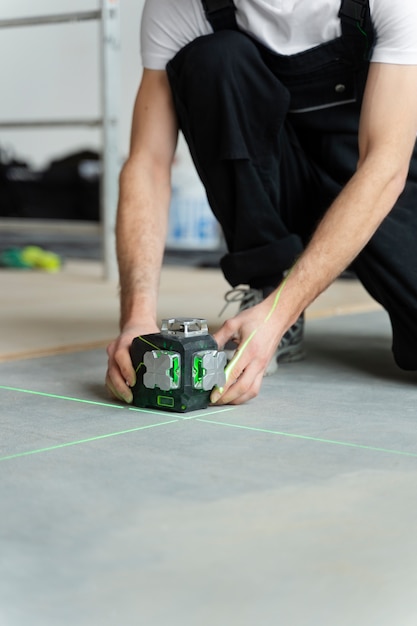
There are a number of warning signs that can signal the need for house rewiring. If your home is 25 years or older and has not been rewired, it is highly recommended to have it checked by a professional electrician. Some of the warning signs to look for include flickering lights, frequently tripping circuit breakers, electrical sparks or burning smells, unexplained power outages in certain areas of your home, and outdated wiring systems.

Other signs can include the use of two-pronged outlets, which are no longer compliant with today's safety codes, bunched-up or tangled wiring, or wiring with fabric or insulation that looks frayed or chewed. These are all warning signs that your home could benefit from a rewiring project.

Understanding The Costs Of House Rewiring

What_is_house_rewiring?_2

The cost of house rewiring can vary based on a range of factors, including the size of your home, the complexity of the wiring system, the presence of obstacles such as walls and flooring, and labour costs. As with all electrical work, it is important to obtain an accurate estimate from a professional electrician.

The average cost of house rewiring is around £3,000-£6,000 for a 3-bedroom semi-detached house. However, the cost can increase significantly if the wiring system is complex, or more work needs to be done. In general, it is always better to invest in quality rewiring work to ensure the safety of your family and home rather than opting for cheaper solutions that may prove costly in the long-run.

Choosing A Professional Electrician For House Rewiring

What_is_house_rewiring?_3

When choosing an electrician for your rewiring project, it is essential to choose a professional with experience and qualifications in electrical work. It is imperative that they have a valid license, an understanding of the local building codes and regulations, and liability insurance. A professional electrician should have references or a portfolio of past projects and be able to provide a detailed written estimate of the project.

You can also find highly-rated electricians from professional associations such as niceic, elecsa, or napit. These organisations ensure that their members meet the industry standards for electrical work and are qualified in the latest technologies and safety protocols.

The Process Of House Rewiring Explained

What_is_house_rewiring?_4

Before the rewiring process can begin, your electrician will conduct a survey of the entire home to determine the current condition of the wiring system and what needs to be done. They will provide you with a full report and a written estimate of the rewiring costs.

Once you agree on the costs and timeframe, your electrician will start by turning off all electricity in your home. They will then remove any outdated or unsafe wiring and replace it with new wiring that meets the current safety standards. The new wiring will be protected with conduits and junction boxes where required, for added safety.

The electrician may also update the circuit breaker board and install new electrical outlets, light fixtures, and switches. Once the rewiring is completed, they will test the system to ensure that everything is working correctly and safely.

Tips For Preparing Your Home For A Rewiring Project
What_is_house_rewiring?_5

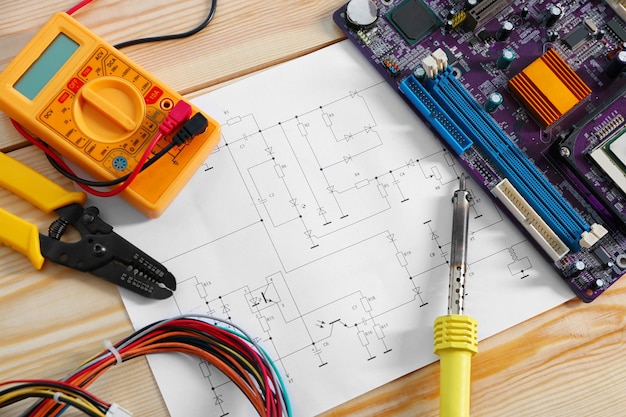
Before the rewiring project, there are a number of steps that you can take to prepare your home for the work. You should clear all areas where the electrician will work to enable easy access to the wiring systems. This may involve temporarily removing furniture and storage items.

You should also communicate your rewiring project plans to your family and ask them to avoid using any electrical outlets or appliances that are not essential. If possible, try to schedule the rewiring project during a period of time when the home is not occupied, such as a vacation period.

Specific To Older Homes: Rewiring An Old House

What_is_house_rewiring?_6

Older homes may require a different wiring process than newer homes due to the outdated wiring and building codes. For instance, some older homes may have outdated fuse boxes, uncovered junction boxes, knob and tube wiring, or aluminium wiring that can be hazardous. Therefore, it is important to hire an electrician with experience in rewiring older homes to ensure the safety of your home.

In some cases, your electrician may suggest replacing all the wiring. However, in others, they may suggest upgrading only the parts that are malfunctioning or faulty. They may also suggest upgrading the household circuit breaker to a larger amperage to cope with modern demand.

Specific To Diy Enthusiasts: Rewiring Your Own Home

What_is_house_rewiring?_7

Rewiring your home by yourself is not recommended and can be extremely dangerous, with the potential for injury, electrical shock, or fire. Only licensed electricians are qualified to carry out electrical work and install new wiring systems.

In addition, doing a near-perfect rewiring job means having adequate knowledge of the safety protocols, building codes, and wiring regulations that change frequently. In addition, you may void any insurance claim if the rewiring is not professionally carried out.

What_is_house_rewiring?_8

House rewiring is an essential process that should be considered if you want to improve the safety, functionality, and efficiency of your home. It is important to hire an experienced and qualified electrician who can ensure the work is completed according to the building codes, safety protocols, and industry standards.

Furthermore, it is important to be aware of the signs that indicate the need for rewiring in your home and to be prepared for the costs of the project. With proper preparation and understanding, a home rewiring process can significantly enhance your home, increase its value and ensure the safety of your family and belongings.